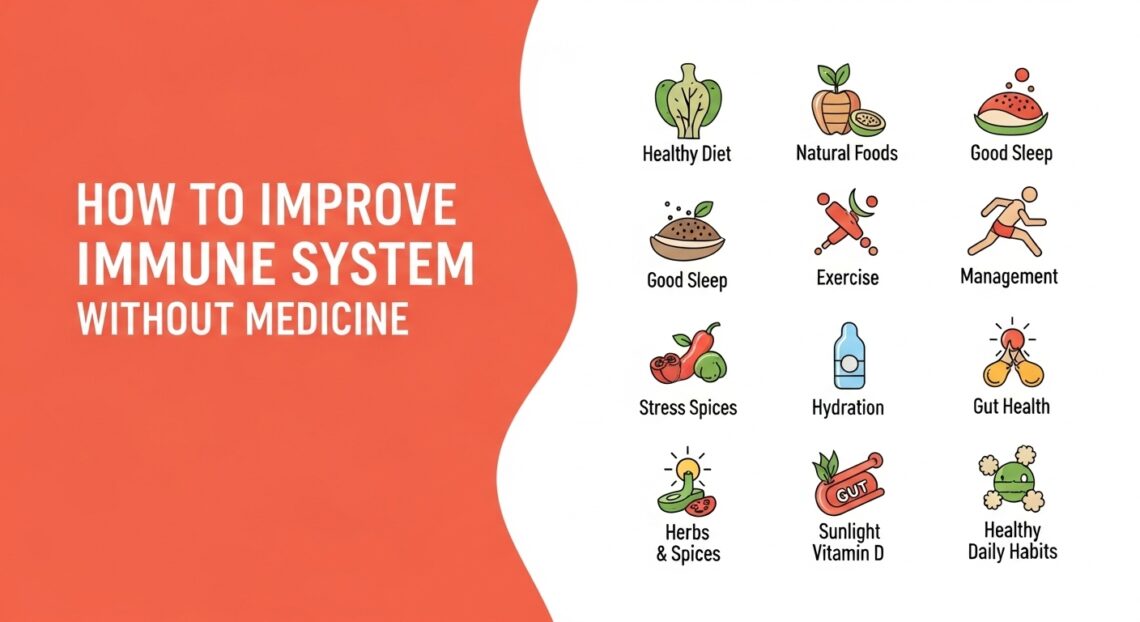
Eat a Balanced and Nutrient-Rich Diet?
Your immune system relies on a steady supply of essential nutrients to function properly. How To Improve Immune System Without Medicine A balanced, nutrient-rich diet helps your body produce immune cells, manage inflammation, and recover efficiently.
Focus on including a variety of whole foods such as:
- Fruits and vegetables: Rich in vitamins, minerals, and antioxidants that support immune defense
- Lean proteins: Help build and repair immune cells
- Whole grains: Provide energy and support gut health
- Healthy fats: Found in nuts, seeds, and olive oil, they help regulate inflammation
Colorful fruits and vegetables are especially important because different colors provide different protective nutrients. Eating seasonal, minimally processed foods also helps you avoid excess sugar and unhealthy fats, which may weaken immune response when consumed frequently.
Staying well-hydrated and maintaining regular meal patterns further supports overall body balance.

Increase Immunity with Natural Foods?
Natural foods provide essential nutrients that help the immune system function properly. Instead of quick fixes, focusing on whole and minimally processed foods supports long-term immune health.
Key food groups that support immunity include:
- Fresh fruits and vegetables: Rich in vitamins, minerals, and antioxidants
- Whole grains: Support digestion and gut health, which is closely linked to immunity
- Natural protein sources: Help the body build and repair immune cells
- Healthy fats: Found in nuts, seeds, and plant-based oils, they support balanced immune responses
Eating a variety of foods is important. Different colors and textures often mean different nutrients, all working together to support the body. Reducing excess sugar and highly processed foods can also help maintain immune balance.
Staying hydrated and eating regular meals further supports overall wellness and energy levels

Get Enough Sleep for a Strong Immune System?
Sleep plays a direct role in how well your immune system functions. During deep sleep, the body produces and releases immune-supporting proteins that help fight everyday infections and manage inflammation.
Key ways sleep supports immunity include:
- Cell repair and recovery that keeps immune defenses active
- Balanced hormone levels that regulate immune response
- Reduced stress on the body, which supports overall resilience
Most adults benefit from 7 to 9 hours of consistent sleep each night. Irregular sleep schedules, late-night screen use, and high stress can interfere with sleep quality and weaken immune balance over time.
Creating a healthy sleep routine can help, such as going to bed at the same time, keeping the bedroom quiet and dark, and limiting caffeine late in the day.

Exercise Regularly to Boost Immunity Naturally?
Regular exercise helps the immune system work more efficiently. Moderate physical activity improves blood circulation, allowing immune cells to move through the body more effectively and respond to everyday threats.
Some natural benefits of regular exercise include:
- Better circulation, which helps immune cells travel faster
- Reduced stress levels, supporting immune balance
- Improved overall fitness, helping the body recover more easily
You do not need intense workouts to see benefits. Activities such as brisk walking, cycling, swimming, or light strength training can support immune health when done regularly. For most adults, 30 minutes of moderate exercise on most days of the week is a practical and sustainable goal.
It is also important to listen to your body. Overtraining or exercising without proper rest may increase fatigue and strain the immune system. Rest days and proper hydration help maintain balance and prevent burnout.
Simple habits can make exercise easier to maintain, such as choosing activities you enjoy, exercising with a friend, or breaking workouts into shorter sessions throughout the day.

Manage Stress to Improve Immune Health?
Stress affects the immune system by triggering hormones that may reduce the body’s ability to defend itself. When stress becomes constant, the immune system may struggle to stay balanced.
Managing stress naturally can support immune health in several ways:
- Supports healthy immune responses by keeping stress hormones balanced
- Improves sleep quality, which is essential for immune recovery
- Encourages healthier habits, such as better eating and regular movement
Simple stress-management practices can make a noticeable difference when practiced consistently. Activities like deep breathing, light physical activity, or spending time outdoors can help calm the nervous system. Even short breaks during the day can reduce mental overload.
Mindfulness techniques, such as focusing on the present moment or limiting excessive news and social media exposure, may also help lower stress levels. Maintaining social connections and setting healthy boundaries between work and personal time further supports emotional balance.
The goal is not to eliminate stress completely but to manage it in a way that allows the body to recover and stay resilient.

Stay Hydrated for Better Immune Function?
Staying hydrated helps the immune system work efficiently by supporting circulation, digestion, and natural detox processes. When the body lacks fluids, it may struggle to transport nutrients and remove waste, which can affect immune balance.
Hydration supports immune health in several key ways:
- Helps nutrients move through the body, supporting immune cell function
- Keeps mucous membranes moist, which act as a natural barrier
- Supports temperature regulation, helping the body stay balanced
Water is the best choice for hydration, but other fluids such as herbal teas, broth-based soups, and water-rich fruits and vegetables also contribute. Foods like cucumbers, oranges, watermelon, and leafy greens help increase fluid intake naturally.
Daily hydration needs vary depending on activity level, climate, and individual body needs. Paying attention to thirst signals and urine color can help guide healthy intake. Limiting excess sugary drinks and highly caffeinated beverages may also support better hydration.
Making hydration a habit can be simple. Keeping a water bottle nearby, drinking water with meals, and taking small sips throughout the day can help maintain consistency.

Improve Immunity with Natural Herbs and Spices?
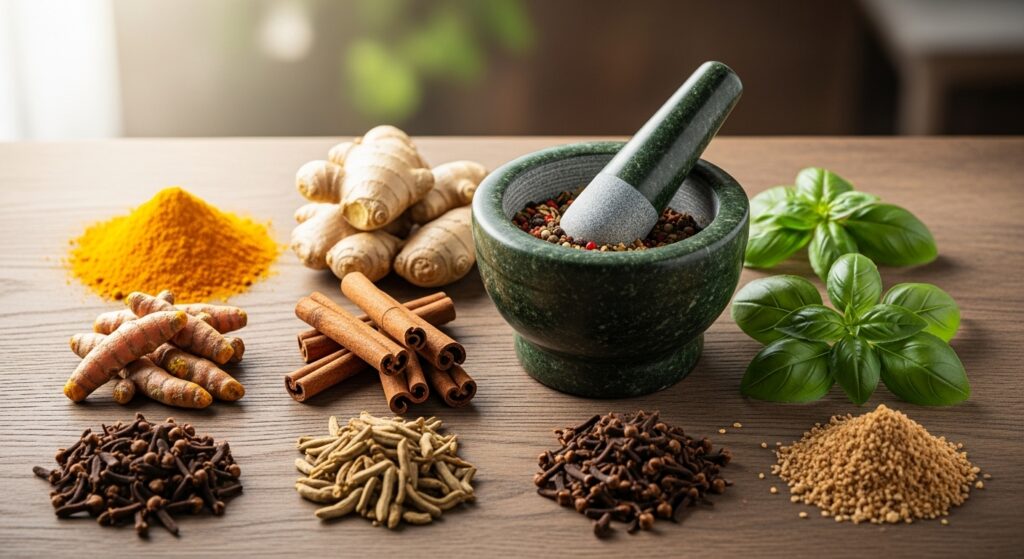
Natural herbs and spices contain plant compounds that support the body’s normal immune functions. While they are not cures or treatments, adding them to daily meals can complement healthy habits such as good nutrition, sleep, and exercise.
Common herbs and spices that support immune health include:
- Ginger: Often used to support digestion and overall balance
- Garlic: Known for its natural plant compounds
- Turmeric: Contains antioxidants that support the body’s natural defenses
- Cinnamon: Commonly used to support general wellness
- Herbs like oregano and thyme: Traditionally used in cooking for both flavor and balance
These ingredients work best when used regularly in cooking rather than in large amounts. Adding herbs and spices to soups, vegetables, grains, or lean proteins is a simple way to benefit from them without changing your routine.
It’s also important to remember that herbs and spices work as part of a healthy lifestyle, not as a replacement for medical care. Moderation and consistency are key.
For those with existing health conditions or dietary concerns, it’s always wise to be mindful of how new foods fit into your overall diet.
Maintain Gut Health to Strengthen Immunity?
The gut contains a large portion of the body’s immune cells, making it essential for immune function. A healthy digestive system helps the body absorb nutrients efficiently and supports balanced immune responses.
Simple habits that support gut health include:
- Eating fiber-rich foods, such as fruits, vegetables, and whole grains
- Including fermented foods, like yogurt, kefir, or fermented vegetables
- Limiting highly processed foods, which may disrupt gut balance
Fiber feeds beneficial gut bacteria, while fermented foods introduce helpful microorganisms that support digestion. Together, they help maintain a diverse and balanced gut environment.
Hydration and regular meal patterns also support digestion and nutrient absorption. Eating slowly and paying attention to portion sizes can further reduce digestive stress.
Stress management is another important factor, as long-term stress may affect gut balance. Light physical activity and quality sleep can indirectly support gut health as well.
Gut health improves gradually, so consistency matters more than quick changes. Small, steady improvements in daily habits can support long-term digestive and immune balance.

Sunlight and Vitamin D for Immune Support?
Vitamin D plays a role in supporting the body’s normal immune response. When skin is exposed to sunlight, the body produces vitamin D naturally, which helps support immune cell function.
Natural sunlight exposure may support immunity by:
- Helping maintain balanced immune responses
- Supporting the activity of immune cells
- Contributing to overall bone and muscle health, which supports physical resilience
Spending short periods outdoors, such as during a walk or light activity, can help the body produce vitamin D. Exposure needs vary based on skin type, location, season, and time of day. It’s important to balance sun exposure with skin protection and avoid excessive time in direct sunlight.
Vitamin D can also come from foods such as fortified dairy products, fatty fish, and eggs. Including these foods in a balanced diet supports overall nutrient intake, especially during months with limited sunlight.
Maintaining healthy sleep, stress levels, and nutrition helps the body use vitamin D effectively as part of overall immune support.

Healthy Daily Habits to Improve Immune System?
Healthy daily routines help the immune system stay balanced and responsive. Simple lifestyle habits can support your body’s natural defenses without relying on medication.
Key daily habits that support immune health include:
- Eating regular, balanced meals with whole and minimally processed foods
- Staying physically active, even with light movement such as walking
- Getting enough sleep to allow the body to recover and repair
- Managing daily stress, which can affect immune balance
Good hygiene is another important habit. Regular handwashing and keeping shared surfaces clean help reduce exposure to everyday germs.
Limiting unhealthy habits also supports immune health. Reducing excess sugar, avoiding smoking, and moderating alcohol intake can help the immune system function more efficiently.
Spending time outdoors, staying socially connected, and maintaining a consistent daily routine all contribute to overall well-being. These habits work together to support immune strength over time.
The key is making habits sustainable. Small changes that fit into your lifestyle are more effective than strict routines that are hard to maintain.

Conclusion
Learning how to improve immune system without medicine starts with simple, everyday choices. Healthy eating, quality sleep, regular activity, stress control, hydration, and other natural habits work together to support your body’s defenses. These lifestyle-based approaches are safe, sustainable, and suitable for long-term health. By staying consistent and mindful, you can support immune health naturally without depending on medications.
FAQs
Can you really improve the immune system without medicine?
Yes, healthy lifestyle habits such as proper nutrition, sleep, exercise, and stress management can support normal immune function naturally.
How long does it take to see results from natural immunity habits?
Results vary, but consistent habits may support gradual improvements over time rather than immediate changes.
Are natural methods safe for daily use?
Generally, healthy lifestyle practices are safe when followed in moderation and as part of a balanced routine.
Do natural habits replace medical care?
No, natural habits support overall wellness but do not replace professional medical advice or treatment when needed.


